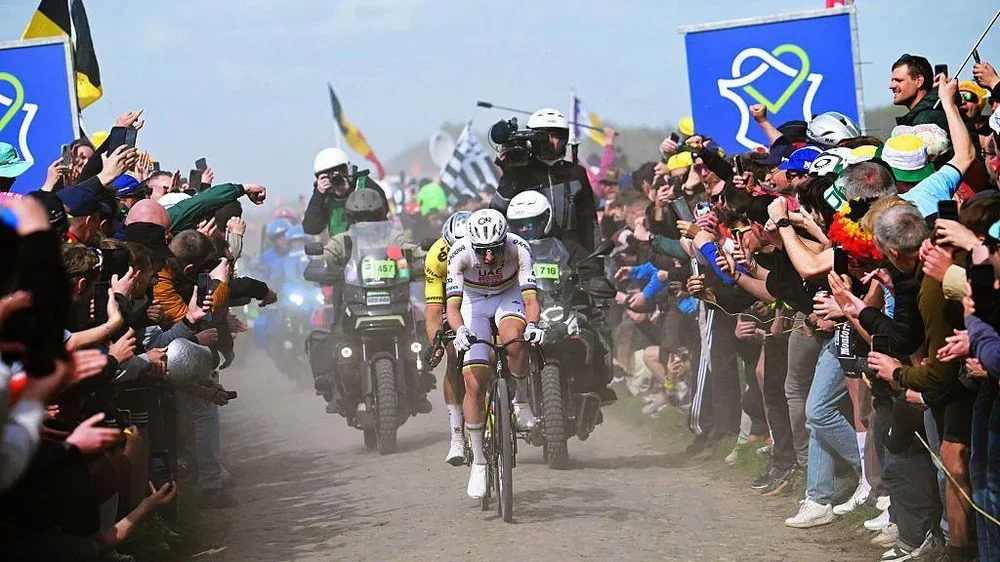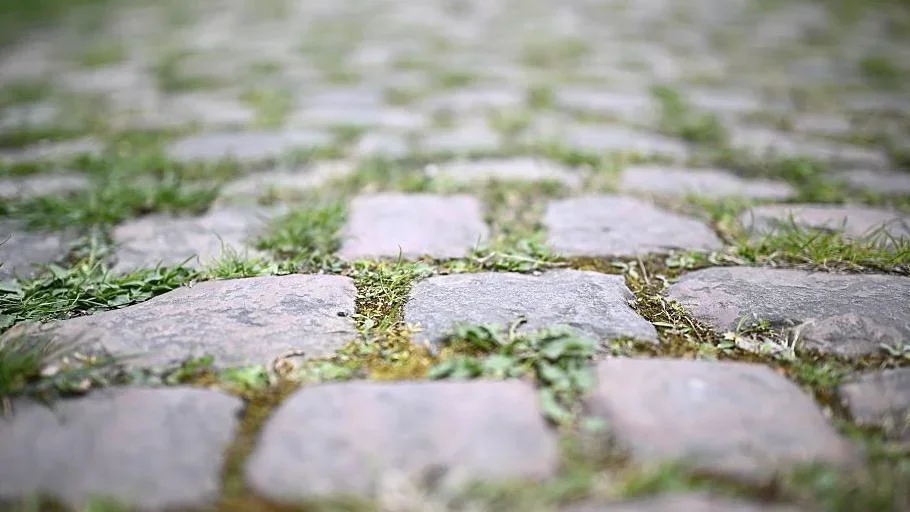

There is little about this race that seems logical. The unforgiving French farm tracks, littered with jagged cobblestones, appear barely suitable for a cow’s hoof, let alone the slender tires and ultra-light bikes of Lycra-clad cyclists. Welcome to L’Enfer du Nord—the Hell of the North—as cycling’s most savage one-day race, Paris-Roubaix, is known.
Spanning 260 kilometers (162 miles), it is not the longest of cycling’s classics, nor does it feature any mountain climbs. But that is beside the point. First staged in 1896, it is the relentless cobbles—or “pavé”—that have left even the world’s finest riders and their machines bloodied and broken.
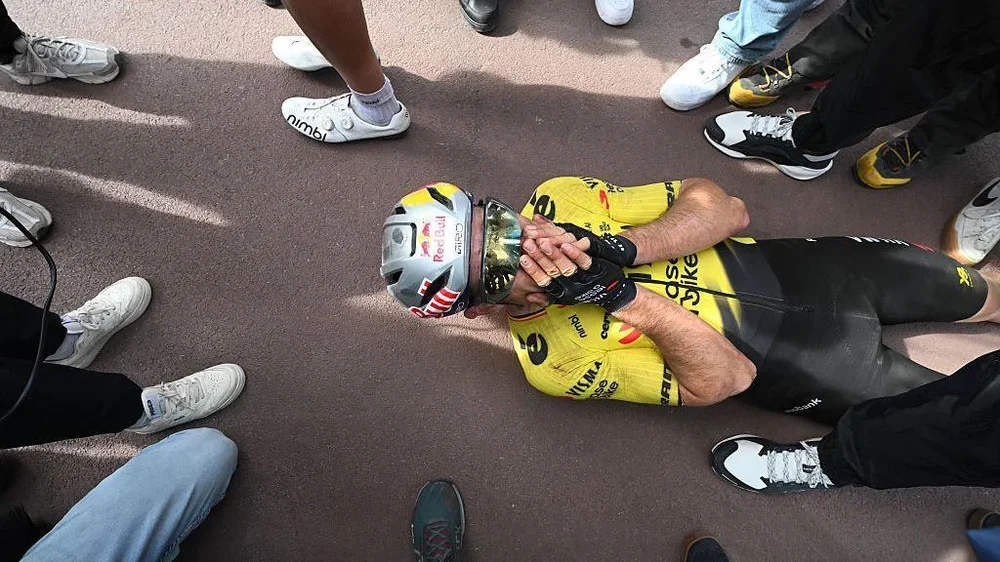
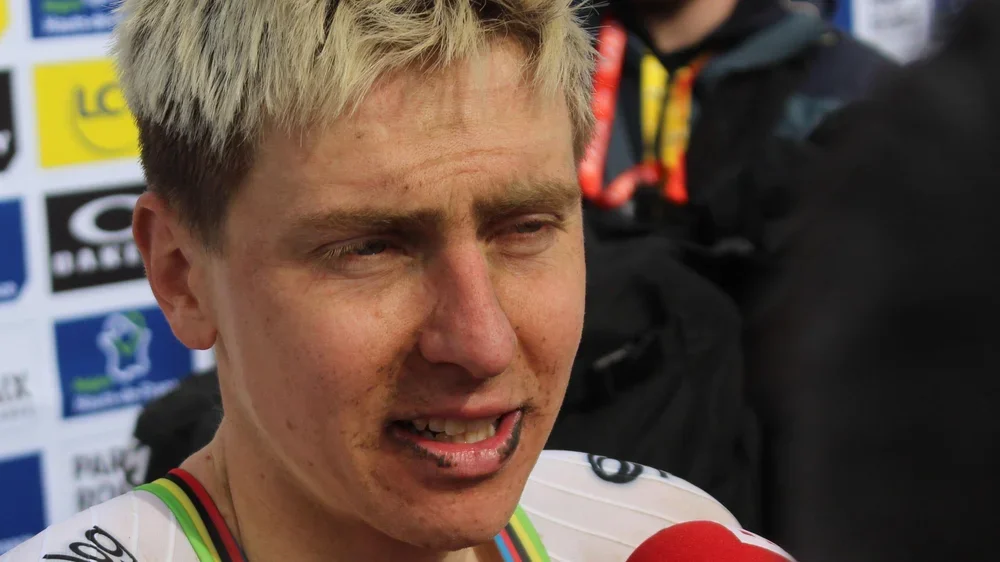
Four-time Tour de France champion Tadej Pogacar has conquered nearly every race worth winning in cycling, often by a wide margin. Yet he cannot claim victory at Roubaix. The 30 sectors of cobbles along the ancient route defeated the Slovenian for the second time on Sunday, as he was edged out by Belgian Wout van Aert in a sprint at the race’s iconic velodrome finish.
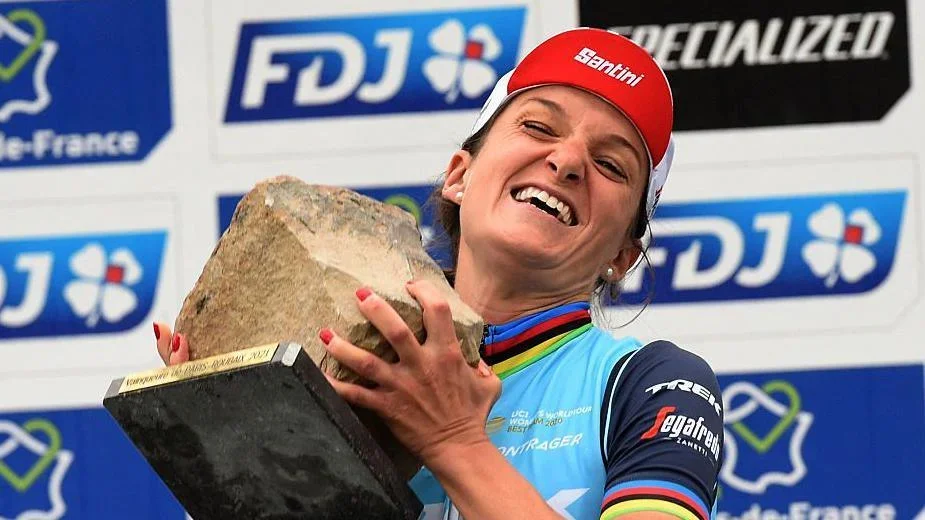
“I’d describe the cobbles not like a village market square, as you might imagine, but more like someone decided to drop a load of stones and see where they landed—and somehow those are called roads,” said Lizzie Deignan, who left blood on her handlebars when winning the inaugural women’s edition in 2021. “Think of the hardest physical effort you’ve ever made on a bike, and then add being rattled so hard that even the muscles in your fingers ache. It’s like holding on to a pneumatic drill while pedaling as fast as you can.”
A dedicated group of volunteers spends the year leading up to the race maintaining the cobbles, aiming to keep the course safe while preserving its unique character. Route preparation has even included using goats to chew away vegetation growing through the stones—especially on the fearsome sector through the Forest of Arenberg, a daunting sprint over pavé that is always treacherous, often slippery, and forever risky.
The weather rarely cooperates: rain turns the route into an almost impassable mud pit, forcing countless abandonments; in dry conditions, dust kicked up by competitors and the convoy of team cars and motorcycles makes it hard to breathe, let alone see. On her winning day, Deignan surprised the peloton by breaking away in torrential rain, at one point riding sideways as her rear wheel slid on a corner. “Everybody punctures and everybody crashes. It’s whoever has good legs and survives,” she said. “It’s unlike any other race.”
Paris-Roubaix is part of the same UCI World Tour as the Tour de France or Giro d’Italia. The same peloton hurtles over these cobbles a few months before gliding through the sunflowers of a French summer. But success in those grand tours does not always translate to joy on the pavé. Four-time Tour winner Chris Froome hated it, rode it once and did not finish. Three-time champion Greg LeMond managed fourth. Two-time winner Jonas Vingegaard is more likely to attempt the Paris-Dakar rally. There were those who excelled in both, including Bernard Hinault and the often-acclaimed greatest Eddy Merckx, each with five Tours de France among their glittering palmares—but even they were not the best when it came to Hell.
Hell belongs to the powerhouses: the burly classics riders who cannot climb mountains day after day, but who can go longer and harder over one epic day of racing. “Every time I tried to attack, my legs were not the greatest anymore, and Van Aert was always riding on my wheel,” said Pogacar, who has grown used to winning by several minutes, after Sunday’s edition. For Van Aert, it was a moment of redemption, but for Pogacar, the Hell of the North remains an elusive beast.