

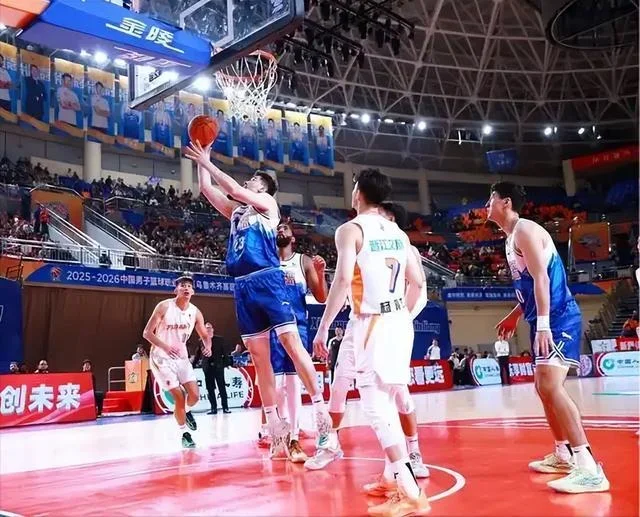
The Xinjiang Flying Tigers are making waves this offseason, with preparations more intense than a playoff series. As the CBA’s new foreign player policy reshapes the league, teams are scrambling to adjust, and Xinjiang is leading the charge.

The team has announced a string of positive developments: six players have been selected for the men’s basketball short-term training camp, injured stars are returning to full health, and young prospects are being methodically developed.
**Preparations in Full Swing**
Early in the offseason, Li Yanzhe, Qi Lin, Feng Ao, Yang Rui, Yilifulati, and Aizimaiti were called up to the national team’s short-term training camp. This platform serves as a key pipeline for identifying future talent, and players who participate bring back tactical nuances and defensive discipline that benefit their clubs.
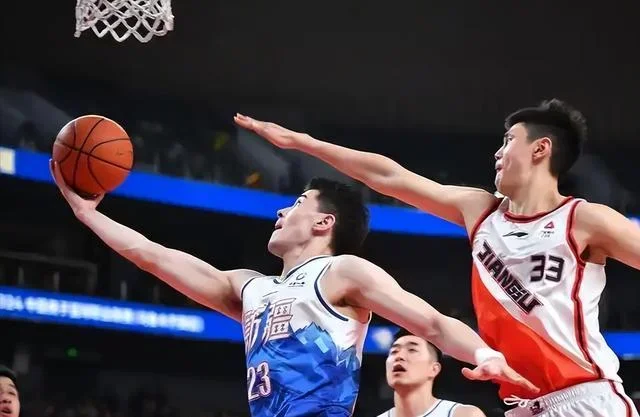
By July, there was good news about Sylzat, the backcourt engine who was sidelined in March due to injury. As the team’s playmaker, his absence last season forced Qi Lin to carry an excessive workload. Now, Sylzat is undergoing high-intensity training with a renowned specialist, and his recovery is ahead of schedule, meaning he could be ready for most of the regular season. During his injury, opposing players even paused play as a gesture of sportsmanship, emphasizing player health above all.
Young guard Ge Haoran has been sent back to the U21 league for further refinement, while Abudushalamu and Zhang Qingze are either training individually or with youth teams. Yin Zhaohang and Qu Xiaoyu, too old for U21, are maintaining their own conditioning. Only Wu Guanxi and Zhu Xuhang are still in gradual recovery, ensuring the core is ready for the new season.
**Adapting to the New Policy**
This season, the CBA adopts a four-quarter, six-import format, allowing a maximum of three foreign players on the roster. With fewer import minutes per quarter and a cap on total usage, teams can no longer rely solely on overseas talent—domestic players must step up.
Xinjiang’s aggressive preparation is a direct response to this shift. Last season, injuries to Abudushalamu and Wu Guanxi exposed roster depth issues. Now, with full health and six players gaining national team experience, both individual skills and team cohesion have improved.
The new policy curbs over-reliance on imports. Previously, many teams leaned heavily on foreign scorers, leaving locals as role players. With the four-quarter, six-import rule, domestic players must handle offense and playmaking. Xinjiang’s focus on developing Ge Haoran and other youngsters is a strategic move to build a domestic core.
Take Shanxi, for example: their heavy dependence on imports could see them slide in the standings under the new rules. Sylzat’s return also relieves pressure on Qi Lin, giving Xinjiang more tactical flexibility.
Across the league, teams are adjusting—Guangdong is grooming young guards, and Liaoning is giving domestic players more minutes. The CBA is clearly moving toward balanced inside-outside play. The national team short training camp, while an individual honor, also benefits clubs as players bring back refined strategies.
From a management perspective, Xinjiang’s approach extends beyond the first team to its youth system. Sending Ge Haoran to U21 ensures high-level competition, while older prospects like Yin Zhaohang maintain their form, demonstrating deep roster reserves.
The new policy elevates domestic players’ roles. Previously, local players accounted for about 60% of scoring; that percentage is expected to rise, shifting the league’s appeal from import-dominated games to head-to-head domestic battles. With a fully healthy squad and national team-caliber talent, Xinjiang has legitimate championship aspirations. Many fans believe this revival will intensify league competition, which is a positive development.
Abudushalamu, who had considered transitioning to coaching after retirement, has put those plans on hold to continue playing, a common path for CBA veterans. Xinjiang’s offseason moves—six players in the national camp, injured stars returning, and youth development—are perfectly timed. This isn’t just a revival for the Flying Tigers; it’s a microcosm of the CBA’s shift from import dependency to balanced growth. Domestic players will gain more influence, making the league fairer and more exciting. Fans eagerly await Xinjiang’s new season and the competitive basketball the new policy promises.
